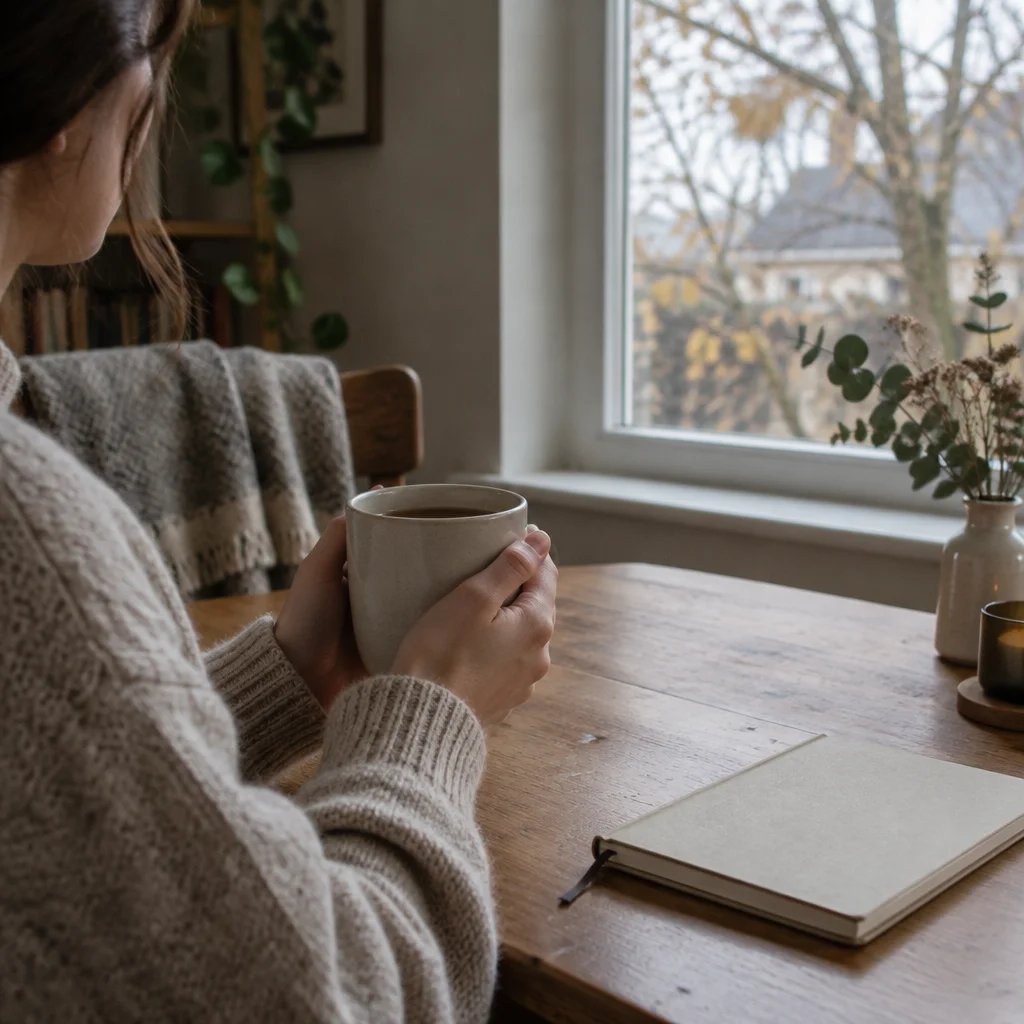

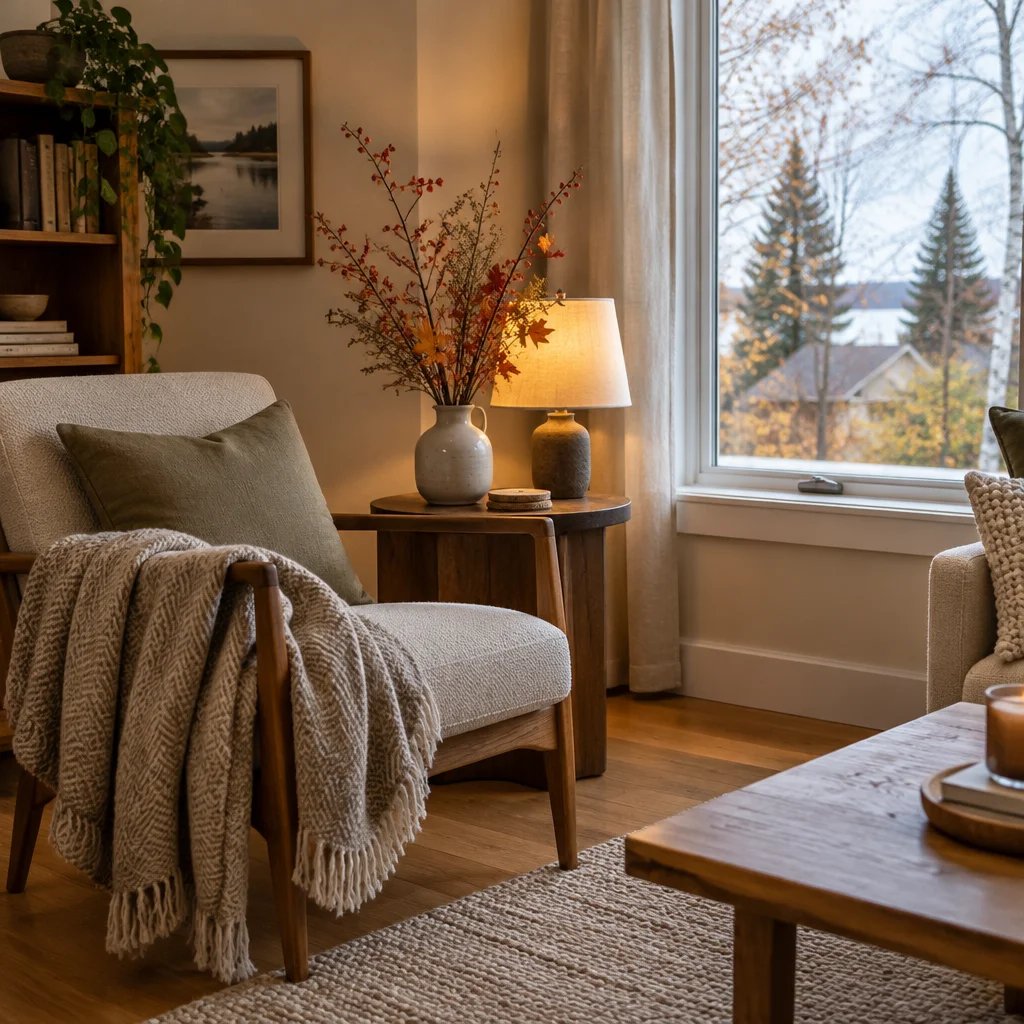
A home can feel welcoming without being perfectly styled. Often, it’s the small details that make a room feel considered: a clear place to set down a bag, a soft light in the evening, or a favourite object that starts a conversation. These touches are less about following a look and more about noticing how you want a space to feel.
As the days grow shorter, it can be especially satisfying to make home a little more inviting. Rather than taking on a full refresh, try working with what you already have. A few gentle adjustments can make ordinary routines feel more enjoyable and help guests settle in with ease.
Start with the feeling, not the furniture
Before moving things around, consider the mood you’d like a room to hold. Do you want the living room to feel relaxed and easy to gather in? Should the entryway feel orderly and bright? Naming the intention gives you a useful guide, and can keep a decorating project from becoming an endless search for new things.
In a shared space, comfort often comes from making the room easy to use. Keep a surface clear enough for a cup or a book. Arrange seating so conversation feels natural. If a room has several purposes, a small tray or basket can give everyday items a temporary home, then be tucked away when the space needs to change.
Make evening light feel softer
Lighting has a quiet influence on the way a room feels. When the day winds down, try switching off the brightest overhead light and using a lamp or another gentle source instead. A candle can also bring a familiar sense of occasion to an ordinary dinner or a quiet evening at home. Keep flame well away from curtains and other materials, and never leave a burning candle unattended.
Use texture and scent with a light hand
Texture adds warmth without asking you to redecorate. A knitted throw over the arm of a chair, a cushion with a pleasing weave, or a linen runner on the table can make a space feel more lived in. Choose pieces that invite use, not just admiration. The most welcoming details are often the ones people can comfortably reach for.
Scent can help mark a transition between parts of the day. You might open a window for a few minutes, bring in a fragrant branch, or choose incense for a moment of stillness. Keep the approach simple and considerate: strong fragrance won’t suit every person or every room, and fresh air is always a useful reset. A home should feel personal, not perfumed to the point of distraction.
Give with the recipient’s home in mind
When choosing a host or housewarming gift, think about the person’s habits rather than trying to guess their décor. A thoughtful gift might be something consumable, easy to store, or useful in a small ritual: a candle for an evening meal, a journal for a bedside table, or a beautiful object that can sit on a desk. If you’re unsure, a simple note about why it made you think of them can make even a modest gesture feel personal.
Presentation can be part of the pleasure. Reuse a basket or fabric wrap if it suits the gift, and include a card with a specific message. There’s no need to make the package elaborate; care comes through in the details and in choosing something that feels right for the recipient.
Conclusion: Let welcome be something you practise
A welcoming home is less a finished arrangement than a way of paying attention. Clear a place for someone’s coat, put the kettle on, soften the light, or set out a few things that invite people to stay awhile. These small acts make everyday spaces feel more like your own, and offer a generous kind of welcome to others.
More from the Journal: From Kitchen to Cauldron: Unique Gifts for Every Cook.