

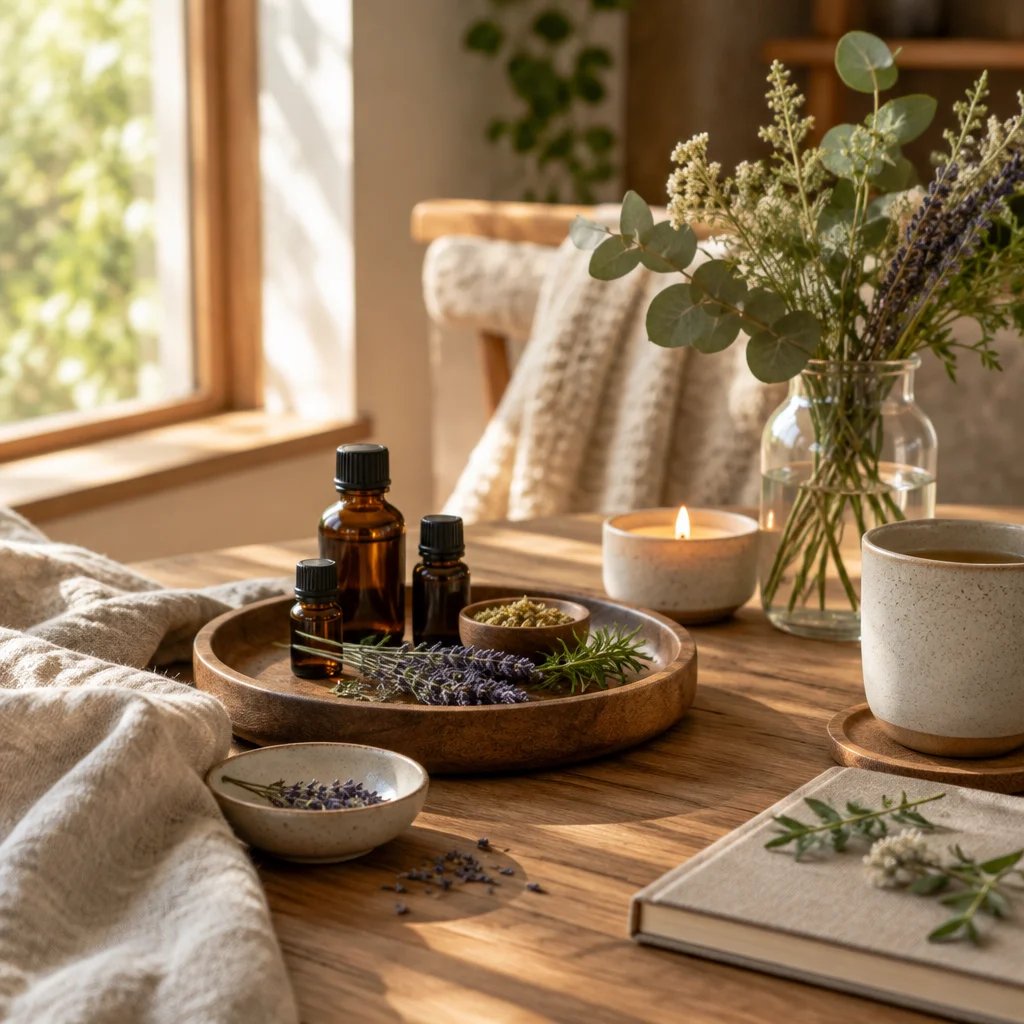
Calm does not have to wait for a quiet morning or an empty calendar. It can begin in the small space between tasks, when you notice your breath, feel the warmth of a mug, or give a few minutes your full attention. A simple ritual can give these pauses a gentle shape, making them easier to return to when the day feels full. It does not require special equipment, a particular spiritual belief, or a strict schedule. The most useful practice is one that feels comfortable, realistic, and respectful of your needs. Think of the ideas below as invitations, not rules. Try one, adapt it to your circumstances, and keep what helps you feel more present in your day.
Begin with a small, repeatable pause
A ritual is often easier to keep when it is brief and attached to something you already do. Take three unhurried breaths before opening your laptop, stretch gently after getting dressed, or sit quietly for a minute before beginning dinner. Choose a familiar moment and let it remind you to check in with yourself.
Keep the practice simple enough for an ordinary day. Place both feet on the floor and notice the support beneath them. If it feels comfortable, soften your shoulders and follow one natural breath without trying to change it. When your attention wanders, return to the next breath or notice a nearby sound. There is no need to judge whether you are doing it well.
A pause can also be a practical reset. Before moving from one task to another, ask, “What would help me meet the next part of my day?” The answer might be a glass of water, a stretch, a clearer surface, or a slower pace. This brief check-in keeps a wellness ritual grounded in everyday needs.
Make room for a mindful sensory moment
Everyday sensory details can offer a gentle prompt to slow down. Notice the warmth of a mug in your hands, the sound of rain at the window, or the changing light in a room. These moments can bring your attention back to what is happening now. Choose something pleasant or neutral for you, without expecting a particular result.
If you enjoy fragrance, you might open a window, light a candle safely, or simply notice a scent already present in your home. A scent-free ritual works just as well. Listen to a favourite song, feel the texture of a blanket, or watch light shift across a wall. There is no single sensory experience that suits everyone, and it is fine to skip anything uncomfortable.
Essential oils are concentrated and may not be suitable for every person or setting. If you choose to use one, follow the product directions and use it only as intended. Dilute it appropriately before topical use, and never apply it undiluted to skin. Skin sensitivity is possible even with diluted oils, so stop use if irritation occurs. Consider sensitivities in your household, keep oils safely away from children and pets, and seek qualified guidance if you are unsure whether a particular use is appropriate.
Use candlelight as a cue to unwind
A small change in your surroundings can mark a transition from the demands of the day to a quieter part of your evening. If candlelight feels inviting, use it as a cue to put away a screen for a few minutes, take a slow breath, or settle into a book. The candle does not need to carry special meaning. The value can simply be in the pause you choose to make around it.
Use a candle only when you can attend to it. Set it on a stable, heat-safe surface, away from drafts and anything that could catch fire, including curtains and other fabrics. Keep it out of reach of children and pets, and never leave a lit candle unattended. Extinguish it before leaving the room or going to sleep.
For a no-flame alternative, dim a lamp or sit near a window as daylight fades. You might pair the moment with an ordinary activity, such as preparing tomorrow’s bag or tidying the kitchen. A repeated cue can make the transition feel more deliberate while remaining flexible enough for different evenings.
Reflect without turning it into another task
Reflection can be as brief as naming one thing you noticed during the day. If writing feels helpful, keep a notebook nearby and jot down a few words: a conversation you appreciated, a moment you handled with patience, or something you would like to make room for tomorrow. A long entry is not necessary. A single sentence can be enough.
You can also reflect without writing. Ask yourself what felt nourishing, what felt tiring, and what small adjustment might make tomorrow gentler. Perhaps you want to set out breakfast items before bed or leave a little space between appointments. If an answer does not come readily, let the question rest. Reflection is an invitation to listen, not a test you need to pass.
Build a routine that leaves room for change
Daily life rarely follows the same pattern every day, so a helpful ritual should be adaptable. On a full morning, one conscious breath may be all that fits. On a quieter evening, you might have time for a longer stretch, a few lines of journalling, and a cup of tea. Both versions count as showing up for yourself.
It can help to choose a minimum version of your ritual, the smallest form you can manage on a difficult or crowded day. Your morning pause might be one breath before you get out of bed. Your evening reflection might be naming one thing you want to set aside for now. Keep the practice kind, and adjust it when your needs or schedule change.
Everyday wellness does not have to look elaborate to feel meaningful. A pause, a familiar sensory cue, or a few honest words can bring more intention to the day. Start with one manageable ritual and let it take the shape that suits you. Over time, these small moments can become gentle reminders to notice what you need and meet yourself with care.
From the Virginia & Rook Store
A useful way to continue this practice is with roll-ons.